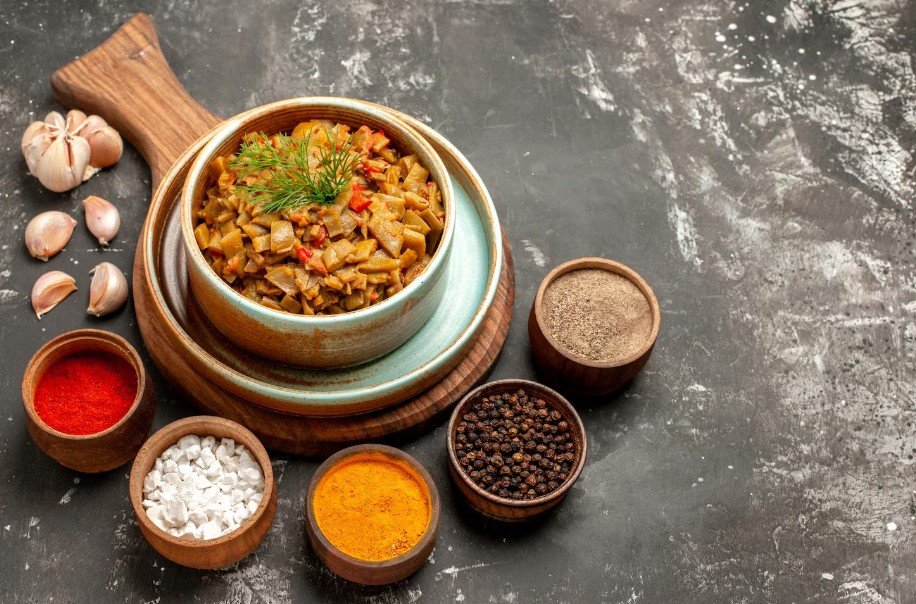
The Meaning of Traditional Recipes
Traditional Recipes represent history culture and family values. They are passed down through generations with care. These recipes preserve original flavors and methods. Tradition gives food its identity.
Connection to Ancestral Knowledge
Traditional cooking reflects the wisdom of earlier generations. Ingredients and techniques were chosen with understanding. This knowledge supports balance and nourishment. Ancestral practices guide cooking even today.
Simplicity in Traditional Cooking
Many traditional recipes rely on simple ingredients. Preparation methods are thoughtful and patient. Simplicity allows natural flavors to shine. These meals feel comforting and familiar.
Cultural Significance of Traditional Dishes
Traditional dishes often appear during festivals and gatherings. They symbolize unity and celebration. Food becomes a way to honor culture. These dishes hold emotional value.
Regional Influence on Traditional Recipes
Geography plays a strong role in shaping recipes. Local ingredients define regional tastes. Climate and lifestyle influence cooking styles. Regional variety adds richness.
Traditional Recipes in Modern Kitchens
Traditional recipes adapt to modern cooking spaces. While methods may simplify the essence remains. Adaptation keeps tradition alive. Old recipes find new relevance.
Sharing Traditions Through Food
Cooking traditional recipes strengthens family bonds. Sharing meals creates connection. Food becomes a language of love. Traditions live through shared experiences.
Traditional Recipes as Living Heritage
Traditional Recipes carry stories and identity. They connect past and present. Cooking them keeps heritage alive. These recipes remain timeless and meaningful.